About 15 years ago we began selling a green tea matcha frappe powder that has been a solid seller ever since. Some shops would steam it with milk but primarily it gets thrown in a blender with milk and ice and whipped up for a sweet, grassy treat. All this time, demand for pure matcha was virtually nonexistent, except for the occasional shop with a strong tea program, and in those instances, it was prepared traditionally as a hot, unsweetened tea.
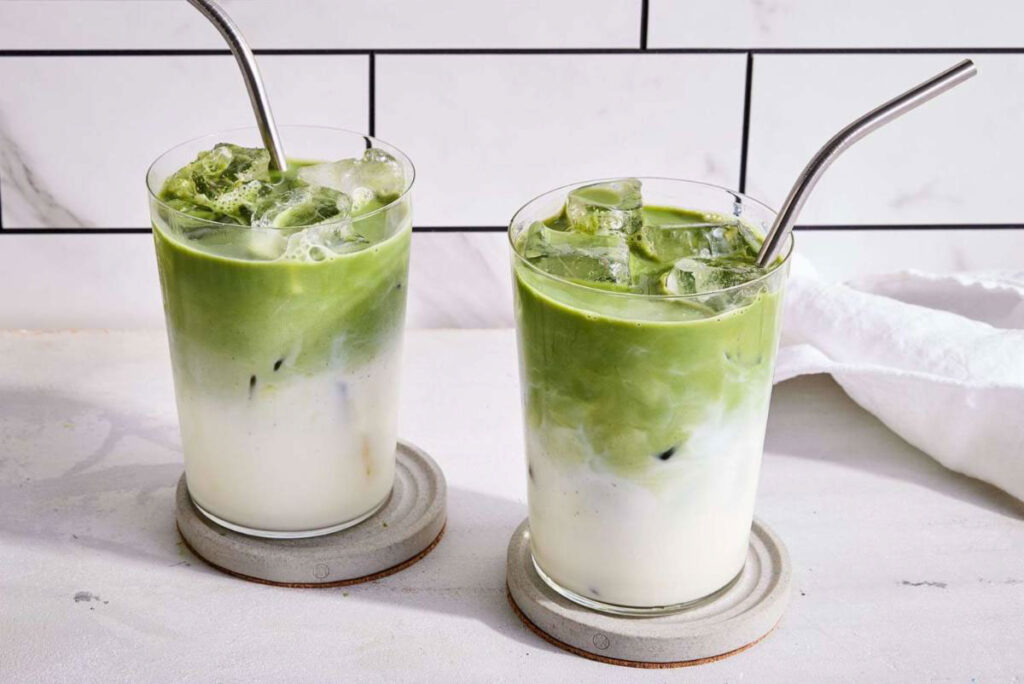
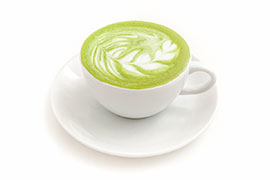
Up until a few years ago matcha existed in these two extreme forms – pure matcha on the traditional end as an austere, vegetal hot drink and green tea matcha frappe on the indulgent end as a sweet, milky, iced blended drink. Just within the last few years consumer interest in matcha has exploded and matcha is now a key specialty drink category. We’re not seeing a huge rise in matcha frappe sales and certainly not a rise of demand for the traditional matcha tea preparation. Almost all of the growth has come in the middle of the spectrum as a matcha latte. The drink consists of pure matcha with a modest amount of sweetener and a milk of the customer’s choice, served hot or iced.
Our preferred recipe for a matcha latte features a little sweetness to offset the astringency of the pure matcha. For a 12 oz matcha latte we recommend two grams of pure matcha (1 teaspoon), ½ oz of a sweetener (two pumps) and 7oz milk or alternative milk. This creates a subtly sweet hot or iced drink that most customers prefer. You can easily offer your matcha lattes in unsweetened form but when given the option we see the strong majority of consumers choosing the slightly sweet version. We recommend using honey, lavender, or vanilla as your sweetener but the possibilities are endless.
So which matcha to use? There are countless brands of pure matcha on the market not to mention all the grades and growing regions. The matcha world is a rabbit hole of complexity and options not relevant to most operators. However, there are some basic quality levels that do matter. The highest level of pure matcha is ceremonial and while it is unmatched in color and taste it can cost a staggering amount per pound. Because the superior quality is largely lost in the matcha latte drinks that customers order we do not stock ceremonial matcha but can bring it in by request. One small step down in quality from ceremonial would be “premium” level. The flavor and color of premium matcha is not far from ceremonial and it is offered at a significantly lower price, therefore it is our favorite. Culinary grade is a serviceable matcha but lacks the bright green color and complexity of premium matcha. As its name indicates, it’s perfect for baking and cooking applications while still working as an adequate base for matcha lattes.
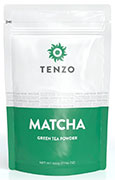
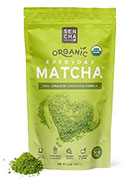
After years of evaluating brands, we settled on two matcha brands – Tenzo and Sencha. We carry premium grade Tenzo and culinary grade Sencha. In terms of price per 2 gram serving, Tenzo costs you 28 cents and Sencha costs 14 cents. On one hand Tenzo is twice as expensive as Sencha but on the other, it’s a 14 cent difference in a $5 retail drink. The markup on matcha lattes is quite large, enabling operators to choose the matcha they feel makes the best drink to keep customers returning for more.
We will continue to communicate more about matcha via newsletter – from production & preparation to recipes, but if you have interest in learning more right away please contact us. We can help you launch or refine your matcha program.